
The landscape of food assistance in the United States is undergoing a historic shift following a major announcement from the Department of Agriculture. In a move described as a complete system reset, federal officials have confirmed that every single participant in the Supplemental Nutrition Assistance Program will be required to submit a brand-new application to maintain their eligibility. This directive effectively cancels the standard automatic renewal cycles and mandates a fresh verification process for the entire caseload, affecting roughly 42 million individuals across the country.
Table of Contents
A Fundamental Shift in Eligibility Verification
This new requirement represents a significant departure from the traditional recertification process that beneficiaries are used to. Typically, households only need to provide a short update or a simplified renewal form to keep their case active. Under the new directive, however, the USDA is treating every case as if it were a first-time inquiry. This means that regardless of how long a family has been receiving assistance, they must start from square one, proving their identity, residency, and financial need with current documentation.
The Drive to Eliminate System Errors
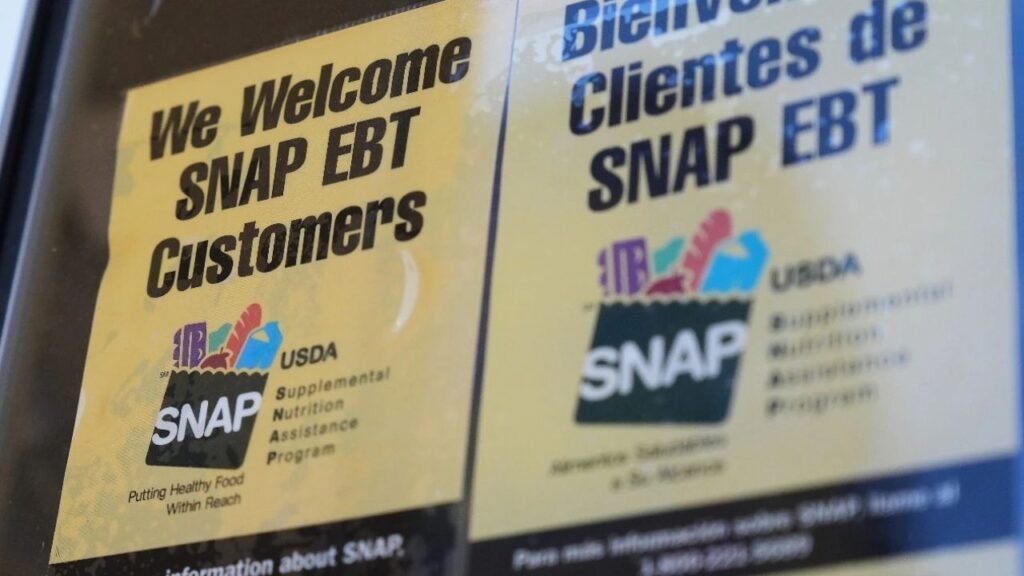
Federal authorities have cited a need to aggressively target fraud and administrative errors as the primary motivation behind this decision. Recent audits highlighted concerning discrepancies in the national database, including active benefits being issued to individuals who are deceased or households claiming benefits in multiple states simultaneously. By forcing a universal reset, the agency aims to purge these invalid files from the system and ensure that taxpayer funds are exclusively supporting those who meet the strict federal criteria for financial vulnerability.
The Burden on State Agencies
While the directive comes from the federal level, the logistical challenge of processing tens of millions of new applications falls squarely on state agencies. Local offices, many of which are already grappling with staffing shortages, are bracing for an unprecedented surge in paperwork. Caseworkers have expressed concern that the sheer volume of simultaneous applications could lead to processing bottlenecks, potentially causing delays for families who submit their forms on time but get caught in the administrative backlog.
Potential Risks for Vulnerable Populations
Advocates for low-income families are particularly worried about how this transition will affect the elderly and individuals with disabilities. These groups often face barriers to gathering physical documentation or accessing online portals, which are the primary methods for submitting new applications. There is a genuine concern that eligible recipients might technically qualify for aid but could lose their access simply because they cannot navigate the complex reapplication procedures quickly enough to meet the new deadlines.
How Households Can Proactively Prepare
Although specific rollout dates will vary by state, the best defense against a lapse in benefits is immediate preparation. Families are encouraged to begin gathering their financial records now rather than waiting for an official letter in the mail. Ensuring that your mailing address, phone number, and email are current in your state’s online portal is also critical, as this will be the primary way agencies communicate the specific deadline for your household to reapply.
Essential Documentation Checklist
To ensure your new application is processed as smoothly as possible, you should have the following physical or digital copies ready to submit immediately upon request:
- Government-issued photo identification (Driver’s License or State ID)
- Social Security cards for all household members
- Proof of residence (lease agreement or recent utility bill)
- Pay stubs for the last 30 days for all working members
- Award letters for other benefits (Social Security, SSI, or Unemployment)
- Bank statements showing current checking and savings balances
- Proof of dependent care expenses or child support payments
Frequently Asked Questions
1. Will I have to reapply even if I just renewed my benefits recently?
Yes, the USDA directive indicates that this is a universal reset for the program. Even if you recently completed your annual recertification or have a certification period that was supposed to last another year, you will still be subject to this new requirement. The goal is to verify the entire database at once, so previous approvals will not exempt you from this process.
2. When will the new application window open for my state?
The timeline will differ depending on where you live because each state administers the program independently. You should monitor your state’s Department of Human Services or Social Services website daily for announcements. Most states are expected to roll out the requirement in waves to manage the workload, so watch your mail and email closely for your specific assigned date.
3. What happens if I do not submit the new application by the deadline?
If you miss the deadline provided by your state agency, your benefits will likely be suspended or terminated immediately. Unlike a late renewal where there might be a grace period, this is a mandatory re-verification. If your case closes, you would then have to wait for a new opening, and you would not receive any grocery funds during the gap period.
4. Can I rely on my old case file to prove my eligibility?
No, you cannot assume that the state will use documents they already have on file. Because the agency is trying to clear out outdated or incorrect data, they are requiring “fresh” proof of your situation. You must resubmit current versions of all requested documents, such as your most recent pay stubs and utility bills, rather than pointing to paperwork you submitted in previous years.
5. Is there any fee associated with this new application process?
There is absolutely no cost to reapply for these benefits. If you receive a text message, email, or phone call asking you to pay a fee to secure your spot in line or to process your application faster, it is a scam. You should never share your EBT PIN or pay money to access SNAP services.


